


Welcome to Tech Talents! In this newsletter, I share real-time key talent movements in the LatAm tech ecosystem, including founders entering and exiting stealth mode, executive-level movements in unicorns, and partner-level changes in local VC firms.
This week, I’m stepping away from the usual format to share the findings of a study I recently conducted. If you’d like to see more posts like this, let me know by replying to this email or liking this post!
Introduction
What paths did the founders of Latin America’s public tech companies take before launching their ventures? That was the question I asked myself a while ago, and I decided to answer it using Tech Talents’ data-driven tools.
Successful founders are diverse by nature. They can be from anywhere in the world, have either a business-oriented or technical background, attend what’s considered a “top school” or not, have previously built a successful company, or be first-time founders—the list goes on. However, we often hear about common traits that investors and even founders themselves associate with a higher likelihood of success.
But what does the data actually show? While several studies have explored the academic, professional, and demographic patterns of successful founders, most take a broad approach and overlook the nuances of Latin America. To my knowledge, the only study focused on the region comes from Exit in Public (a newsletter I highly recommend), though it takes a different angle than what I set out to explore here.
For this initial study, I focused on Latin American technology companies that have gone public through an Initial Public Offering (IPO). I chose this scope because an IPO is often a strong indicator of a successful venture. However, if there is interest, I plan to expand future studies to include unicorn startups, successfully acquired companies, and other notable groups.
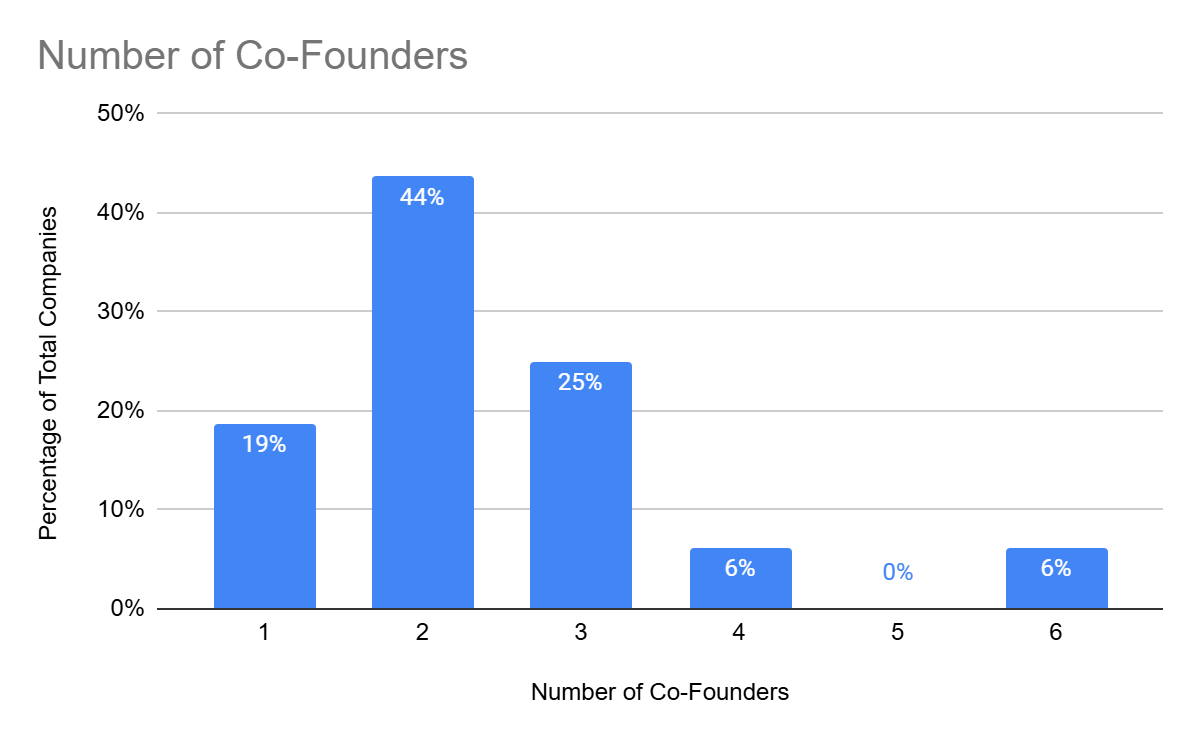
1) Almost half of the companies had 2 co-founders
The entrepreneurial journey can be lonely, with countless ups and downs. Having someone to share the weight while also complementing your skills can be a good strategy—and the data seems to confirm this. The vast majority of public tech companies in LatAm were founded by more than one person, with two co-founders being the most common structure among them.
Despegar (Decolar.com) is the outlier here with 6 Co-Founders—Roberto Souviron, Martín Rastellino, Mariano Fiori, Cristian Vilate, Alejandro Tamer, and Federico Fuchs.
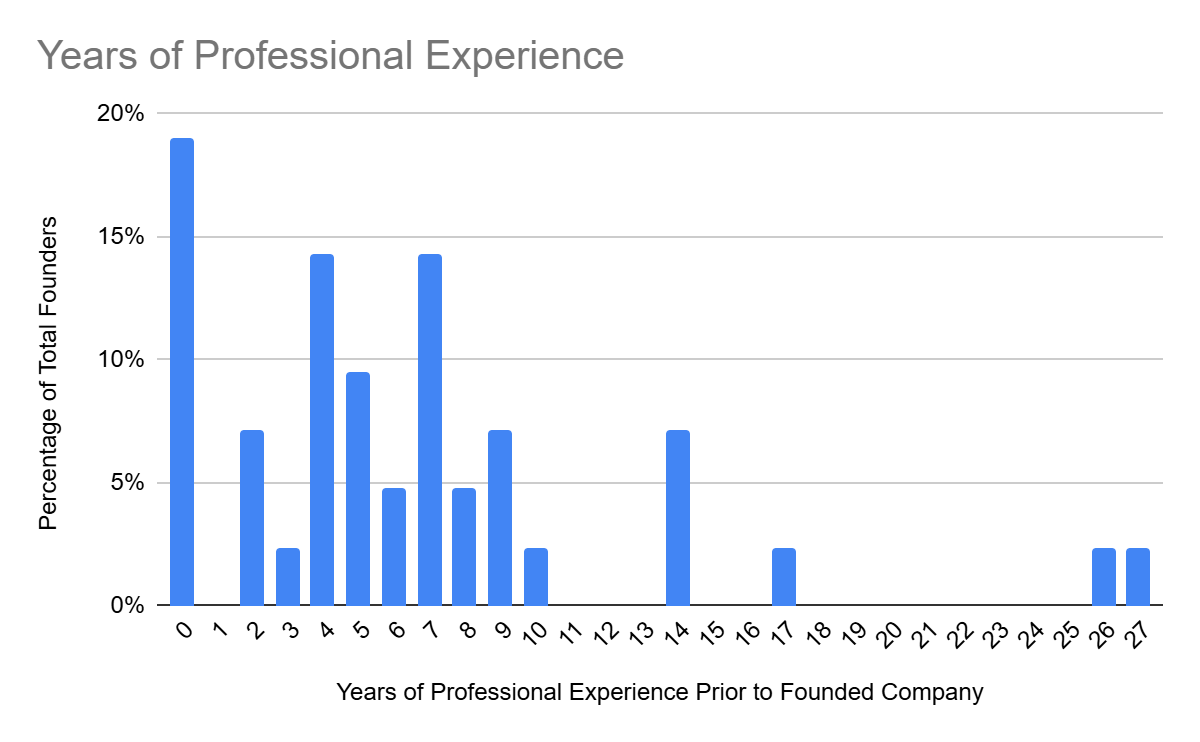
2) More than 80% had 10 years or less of professional experience
Some might assume that extensive professional experience is essential for building a successful company. While some experience appears to be beneficial, it doesn’t seem to be a strict requirement. Among founders of public tech companies who had prior work experience, the vast majority had 10 years or less before launching the company that eventually went public.
Laércio José de Lucena Cosentino, Co-Founder of TOTVS, began his career as an intern at Ernesto Haberkorn’s company. From there, the two would partner to co-found what would then become TOTVS.
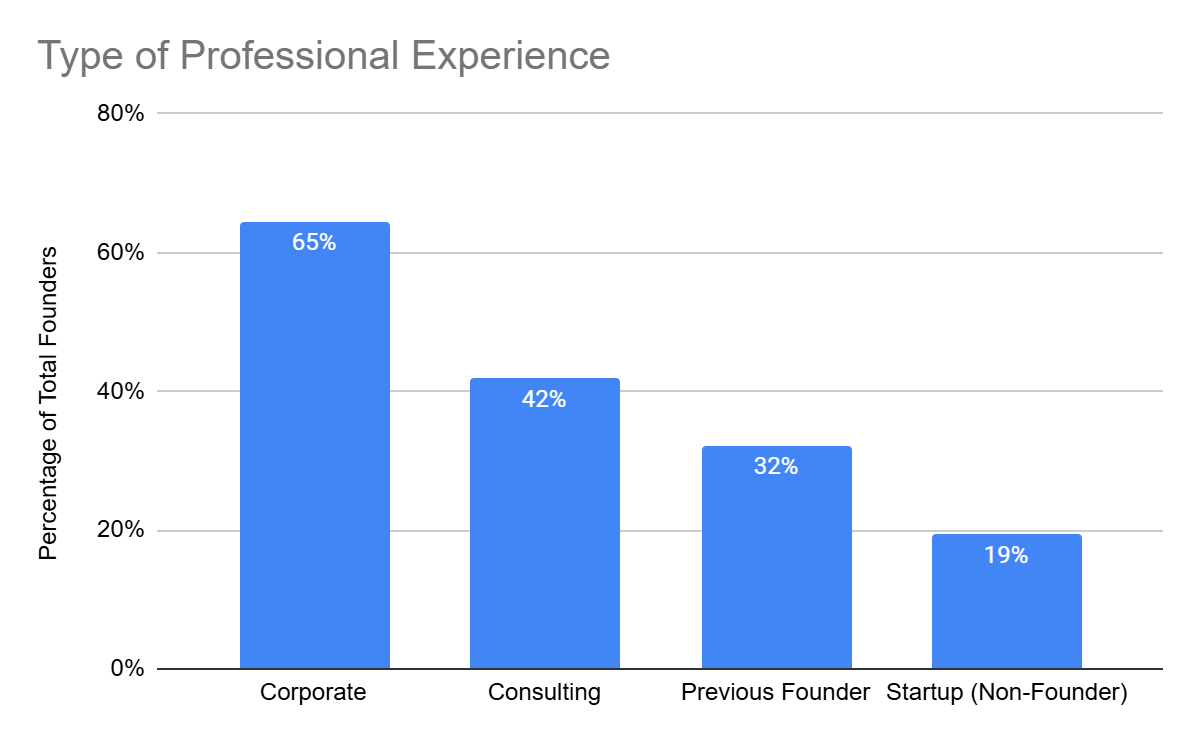
3) Large enterprises dominate previous experience
This analysis may reflect the maturity of LatAm’s tech ecosystem. In more developed markets, such as the U.S., many successful founders are “second-timers,” meaning they previously founded another company before launching the one that ultimately went public. However, in emerging ecosystems, it’s more common to see founders with backgrounds in large enterprises or top consulting firms before starting their ventures. As LatAm’s tech ecosystem continues to evolve over the next 5 to 10 years, I expect this trend to shift significantly.
Spinoffs from other corporations were also common. This was the case for Banco Inter, which started at MRV Engenharia, and of dLocal, which spun off from AstroPay.
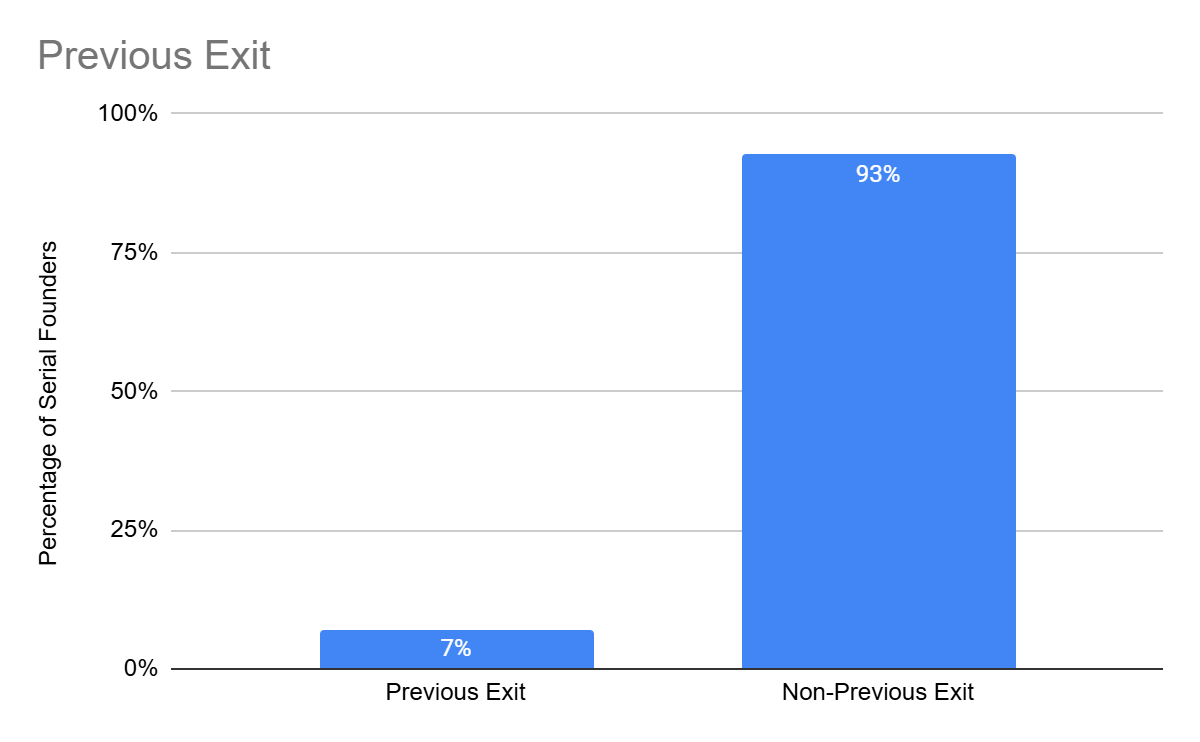
4) Less than 10% with previous founding experience had an exit
Taking a closer look at the “Previous Founder” data, it turns out that most founders did not achieve a major success before launching their IPO-bound company. In fact, only 7% had a prior exit before founding the startup that eventually went public.
Before founding Stone, André Street and Eduardo Pontes founded Braspag, which was then acquired by Cielo.
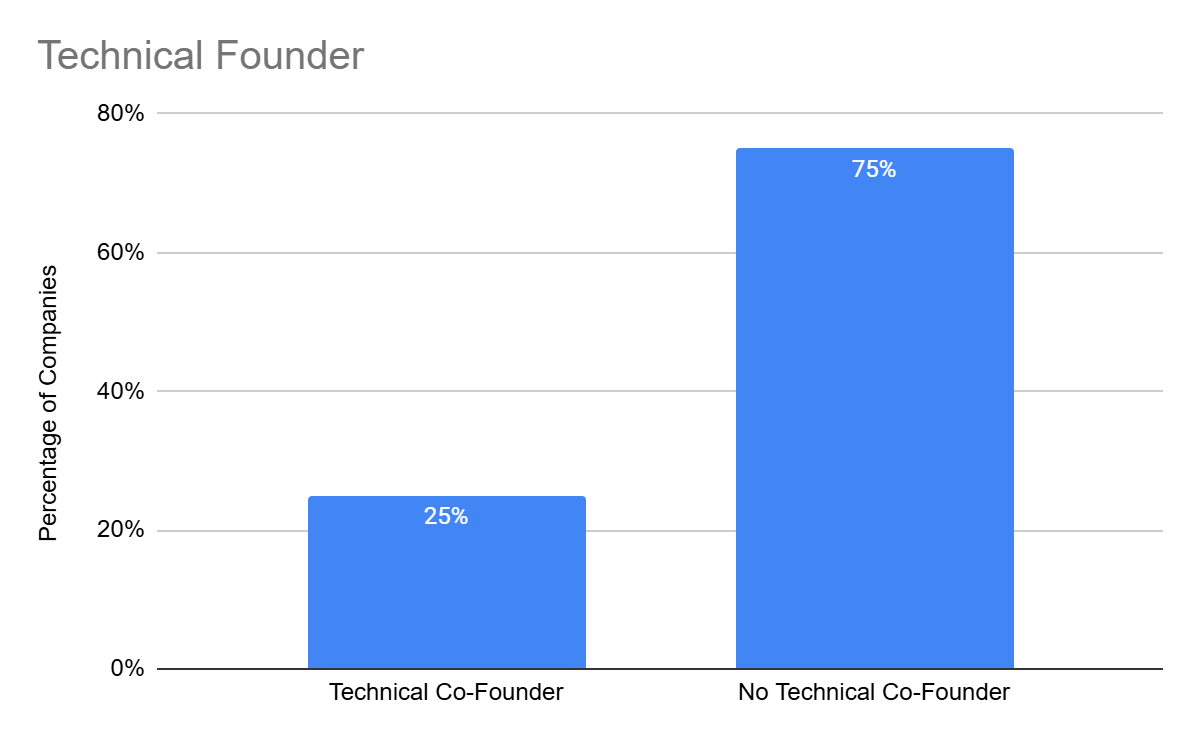
5) The vast majority lacked a Technical Founder
When discussing tech startups, we often assume that at least one founder has a technical background, meaning experience in development or coding. However, this was not the case for most of the analyzed LatAm companies—most did not have a technical co-founder. This will be another interesting trend to follow over time, as many of these companies were founded years ago, when technical academic backgrounds were less common than they are today.
6) No dropouts
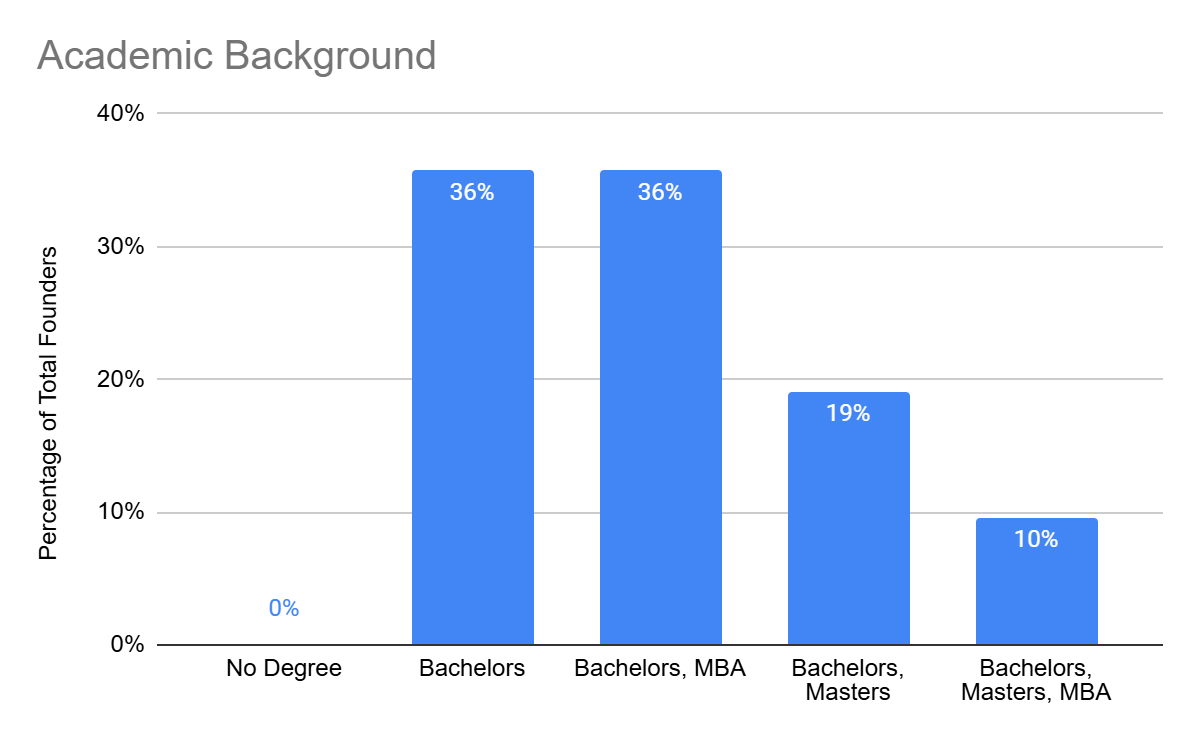
While the stereotype of the successful young dropout persists in the startup world, the data tells a different story for LatAm. All founders from the analyzed group have at least a bachelor’s degree. Surprisingly, nearly half (46%) of them hold an MBA.
Cristina Junqueira, Co-Founder of Nubank, holds an MBA from Kellogg, a Master of Science in Industrial Engineering from USP, and a Bachelor of Science in Industrial Engineering from USP.
7) In for the long term
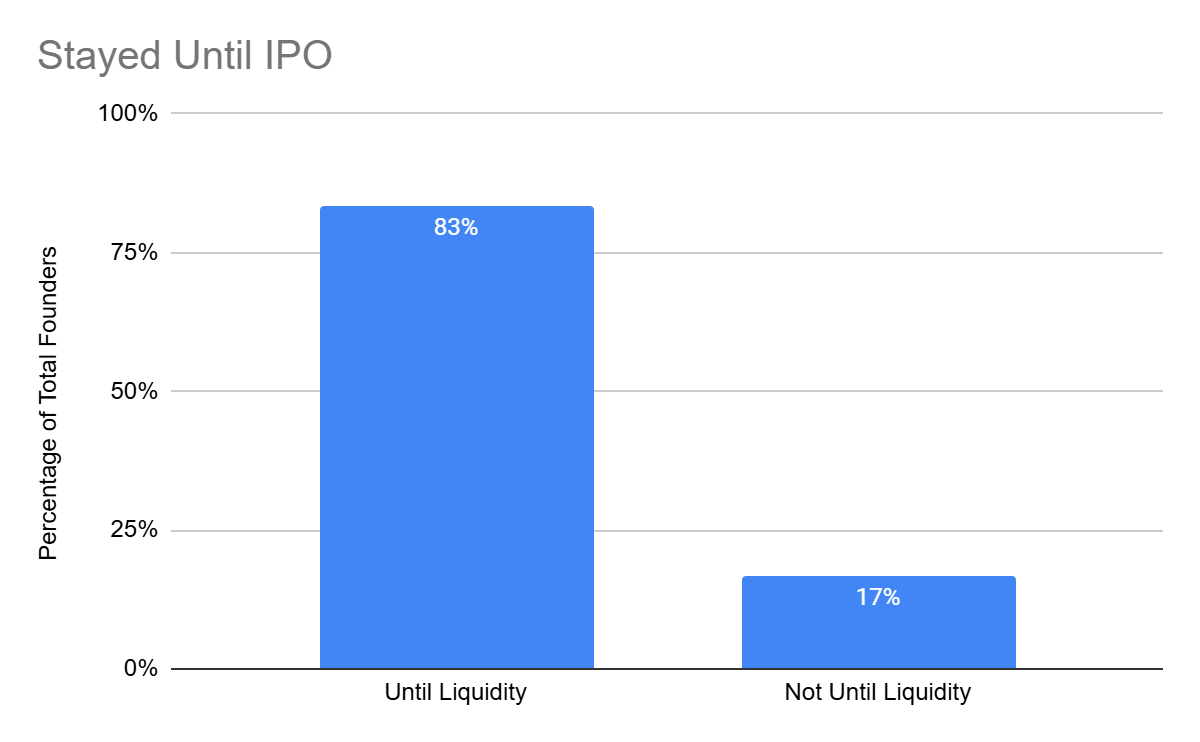
It’s common for founders to leave their companies before they go public, and this was the case for a significant portion of LatAm public tech founders. However, the majority remained involved until the liquidity event, even if not in an executive role—some stayed on as advisors or board members.
Marcos Galperin is still the CEO of MercadoLibre over 25 years after founding it.
Defying the Norms
While some commonly held beliefs in the tech industry are backed by data, others clearly are not. This reinforces my initial point: founders are inherently diverse, and we shouldn’t rely too heavily on conventional wisdom. I’m also confident that the next generation of public tech founders in LatAm will look very different from today’s data, and I’m excited to track the ecosystem’s evolution through this lens.
Note on Methodology
The research included 42 founders from 16 public companies. The vast majority of the information about the background of these founders was gathered from LinkedIn but some other online sources were also used when necessary. Company data was gathered from Pitchbook.
If you have any feedback or suggestions about Tech Talents LatAm, please share them with me through my LinkedIn.